A cannibal and a serial killer were released from prison and went to the front line
Details
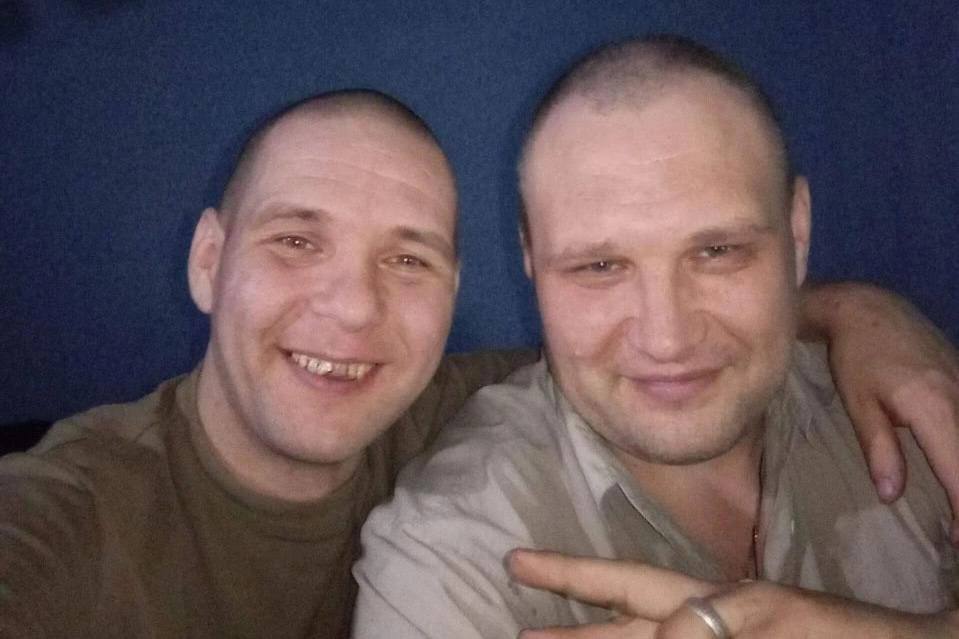
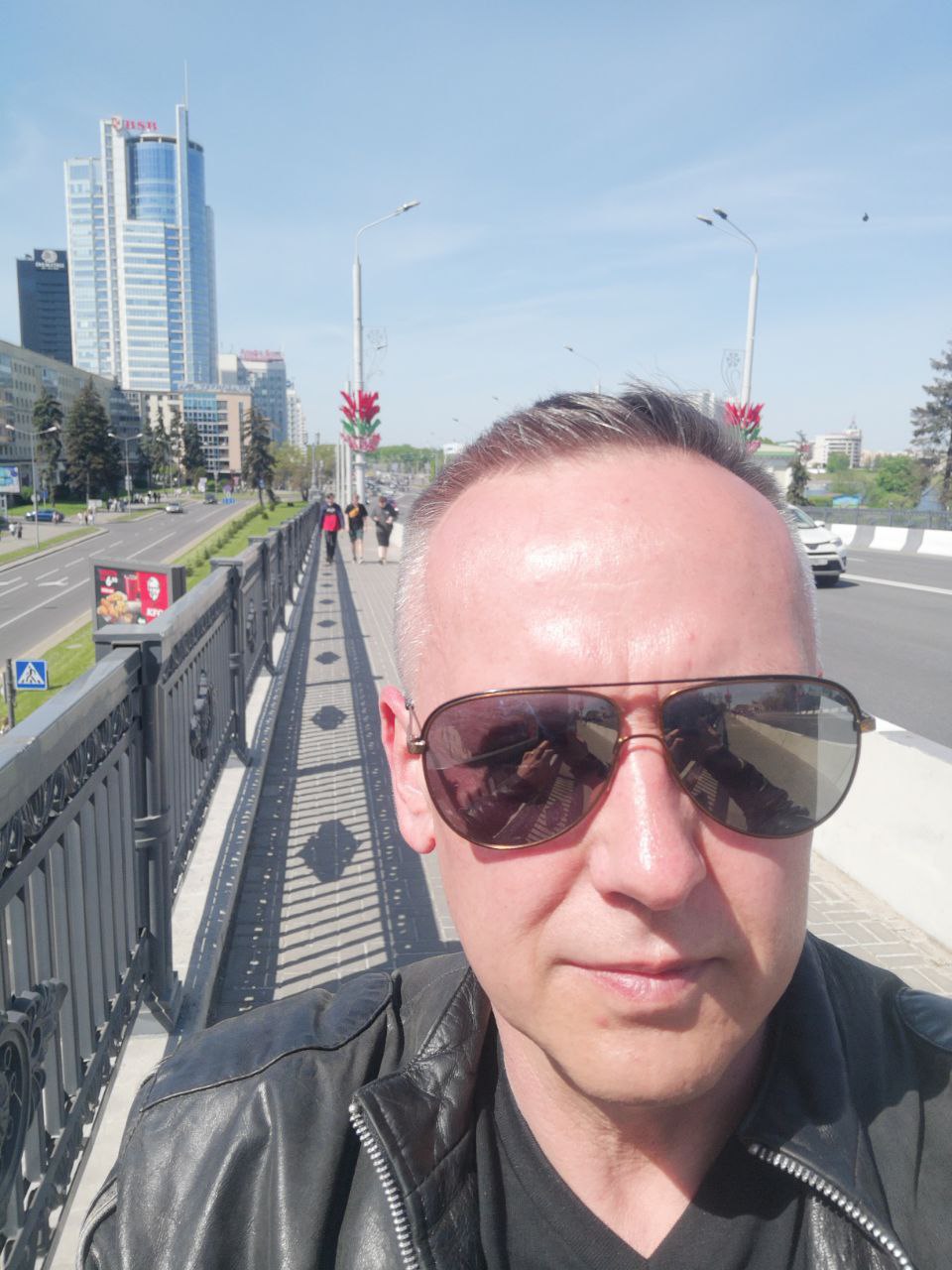
Photo: Dmitry Malyshev (left) and Alexander Maslennikov (right)
They became best friends.
Dmitry Malyshev was sentenced to 25 years in a maximum security prison for cannibalism and a series of murders. 10 years ago, he killed his friend Tajik, and roasted his heart with vegetables. He videotaped the whole process.
"We're roasting a human meat. Here it is - the heart. I've already added onions," Malyshev commented on the video.
Malyshev signed a contract with the Defense Ministry in October 2023 and went to war as part of the fine battalion "Storm V". He was wounded twice. At the time of the conversation with a journalist of the Volgograd edition of V1, the ex-convict was in the hospital.
He explained his motivation to go to war to journalists as follows:
"I understood why I was going and where I was going. How would you feel if your little daughter was told in primary school how to put on a condom? Or men walking down the street and licking each other? Is that normal for you? It's not normal for me."
Together with the cannibal, Alexander Maslennikov, convicted of double murder and dismemberment of girls, left the prison to war. Malyshev published joint photos of them both smiling while sitting in an embrace on social networks.
The "Storm V" penalty squads replaced the "Storm Z" units of prisoners pardoned by Putin. The prisoners who have been sent to the front under contract with the Defense Ministry as part of the "Storm V" units since September 2023 cannot apply for a pardon.
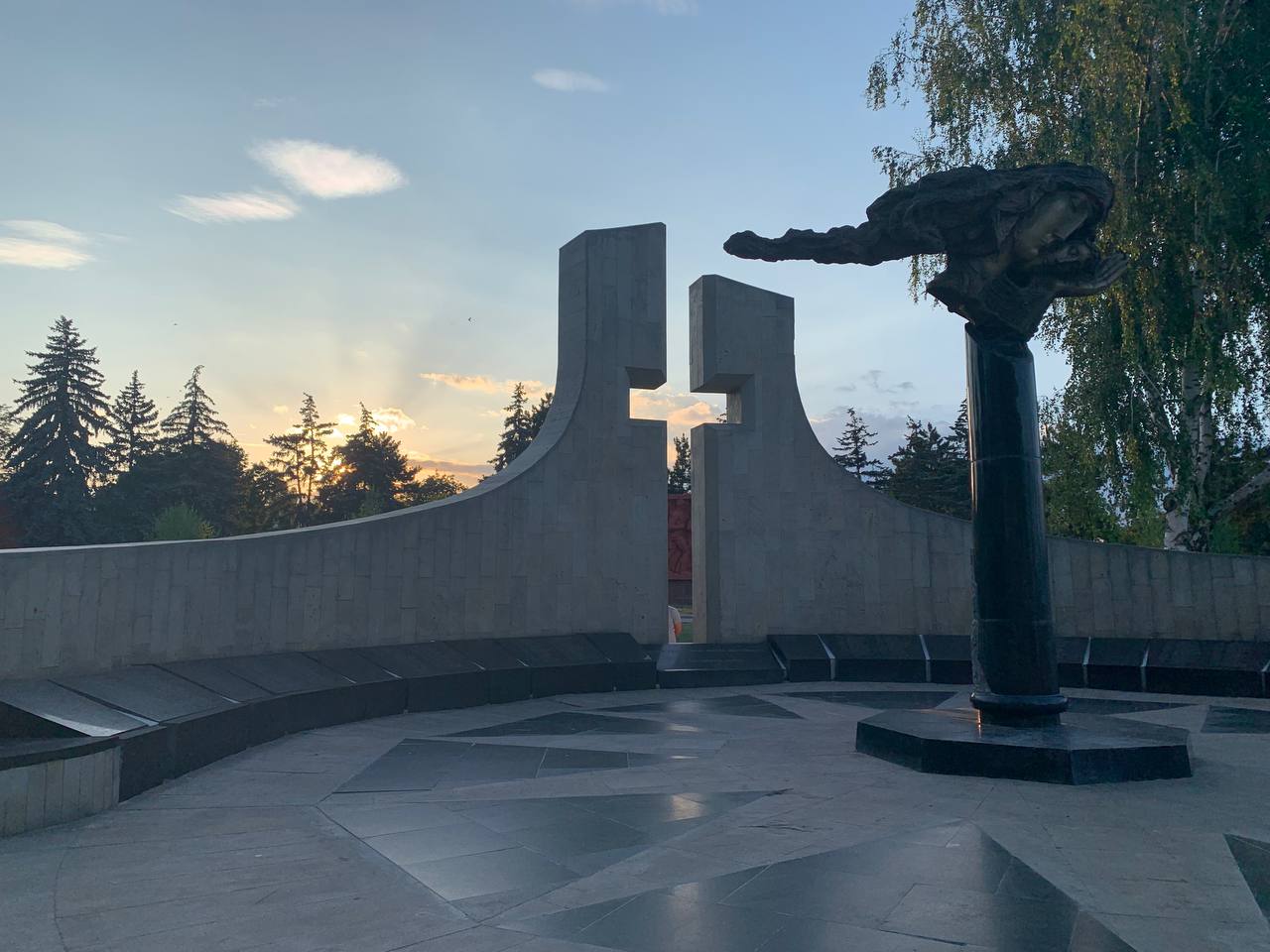
Memorial to the fallen Moldovan soldiers of the Transnistrian War in Chisinau. Photo: Alexander Moisseenko
Thirty-three years ago, a ceasefire brought an end to the Transnistrian War—sometimes described by locals as the Russian-Moldovan War. Although the tensions officially ended in 1992, its consequences continue to shape Moldovan politics, society, and security — especially in view of the upcoming parliamentary elections.
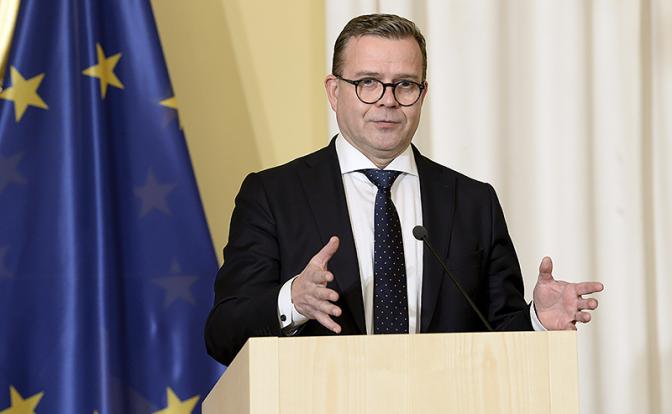
Finland is moving to withdraw from the Ottawa Convention, which bans anti-personnel mines. Prime Minister Petteri Orpo said the decision comes as a direct response to growing aggression from Russia.
The ruling Georgian Dream party has approved a set of controversial laws, including a “foreign agent” act aimed at NGOs and media. Critics say it mimics the U.S. FARA but is weaponized against dissent.
We regret to inform you that due to lack of funding we are forced to discontinue the English version of our website. This decision was not easy for us, as we have always strived to provide quality and timely information for our international audience and Russian-speaking readers. Unfortunately, the current financial realities leave us no other choice.
The Russian-language version of the site will continue to operate, but in a limited mode. We understand that this will create inconvenience for many of our readers, and we apologize for possible interruptions in the provision of news and analytical materials on this resource.
We appeal to you, our loyal readers, with a request to support our editorial staff. Your help will allow us to continue our work and provide you with important and relevant news. Please go to the support page and make your contribution to the development of independent journalism.
We thank you for your understanding and look forward to your support during this difficult time.
Memorial to the fallen Moldovan soldiers of the Transnistrian War in Chisinau. Photo: Alexander Moisseenko
Thirty-three years ago, a ceasefire brought an end to the Transnistrian War—sometimes described by locals as the Russian-Moldovan War. Although the tensions officially ended in 1992, its consequences continue to shape Moldovan politics, society, and security — especially in view of the upcoming parliamentary elections.
The Russian capital faced one of the largest terrorist attacks in its history. The terrorist attack at Crocus City Hall, which claimed the lives of many innocent people, was the second largest after the Beslan tragedy. But unlike previous attacks, this incident is shrouded in a layer of contradictory facts and ambiguities that point to possible miscalculations by the Russian security services