Russian and Chinese business leaders are talking about a possible undersea tunnel to Crimea
Details
Russian and Chinese business executives with government ties have privately explored the idea of constructing an underwater tunnel linking Crimea to Russia, as revealed in communications obtained by Ukrainian security services and reported by the Washington Post.
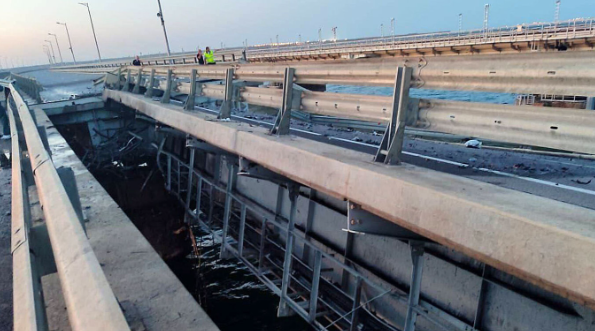
The Russian-built bridge over the Kerch Strait faces vulnerability to Ukrainian attacks, having been struck twice since February 2022. Consequently, Russia is exploring safer transportation routes. The Washington Post revealed that in an October email, the state-owned Chinese Railway Construction Corporation (CRCC) expressed readiness to undertake complex railway and road projects in Crimea. Another email from Russian businessman Vladimir Kalyuzhny, leading the project, suggests CRCC's preparedness to act as the general contractor for the tunnel construction project. This initiative underscores Russia's commitment to maintaining control over Crimea, annexed in 2014.
However, it exposes China to political and financial risks, including potential Western sanctions, given its non-recognition of Russia's sovereignty claim over Crimea. Chinese communications indicate a preference for secrecy, proposing participation under strict confidentiality and the use of a different legal entity's name on contracts.
According to U.S. officials and engineering experts interviewed by the Washington Post, while technically feasible, a comparable project has never been undertaken in a warzone. The construction, if pursued, is anticipated to span several years and incur costs in the billions of dollars.
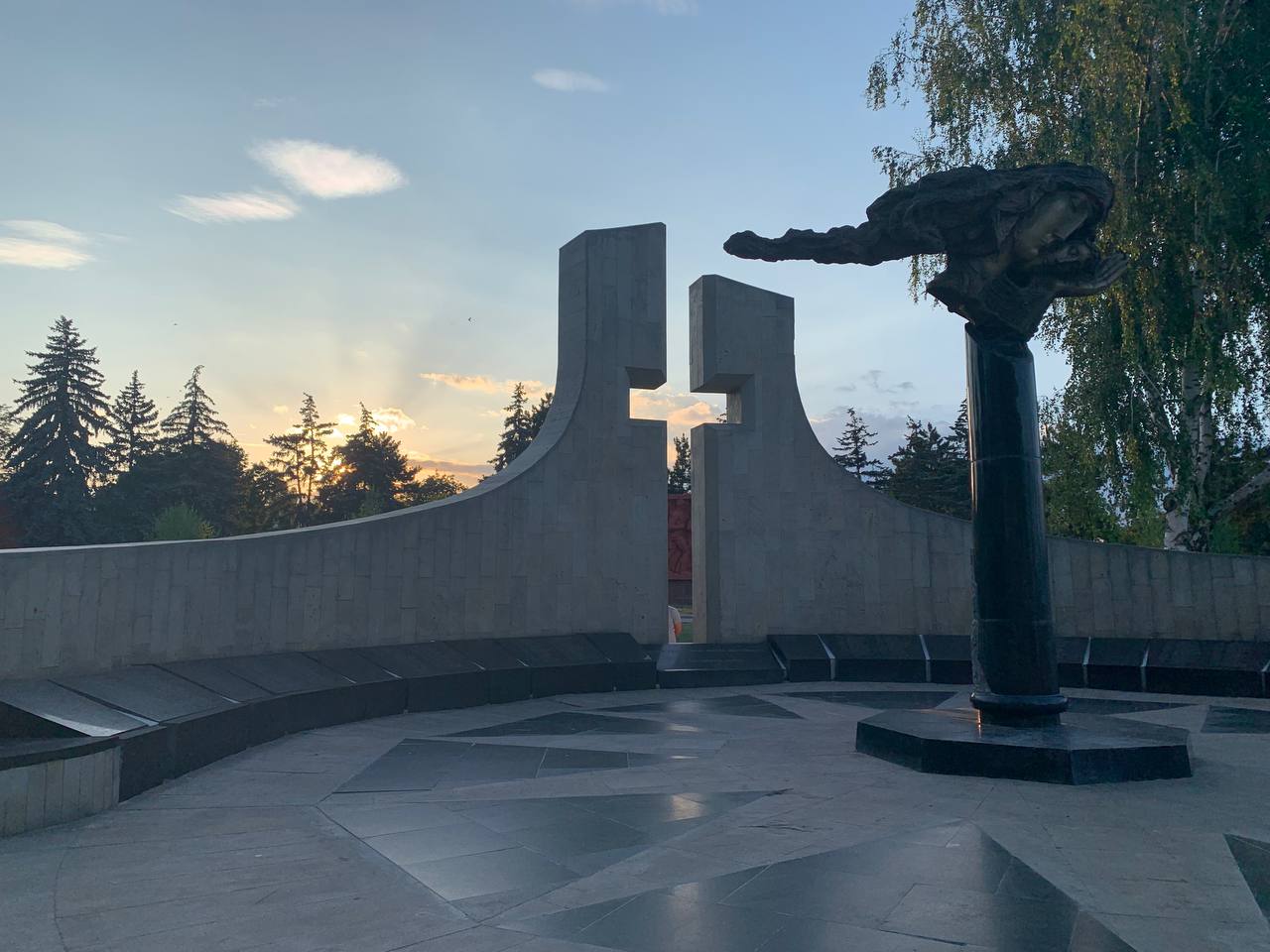
Memorial to the fallen Moldovan soldiers of the Transnistrian War in Chisinau. Photo: Alexander Moisseenko
Thirty-three years ago, a ceasefire brought an end to the Transnistrian War—sometimes described by locals as the Russian-Moldovan War. Although the tensions officially ended in 1992, its consequences continue to shape Moldovan politics, society, and security — especially in view of the upcoming parliamentary elections.
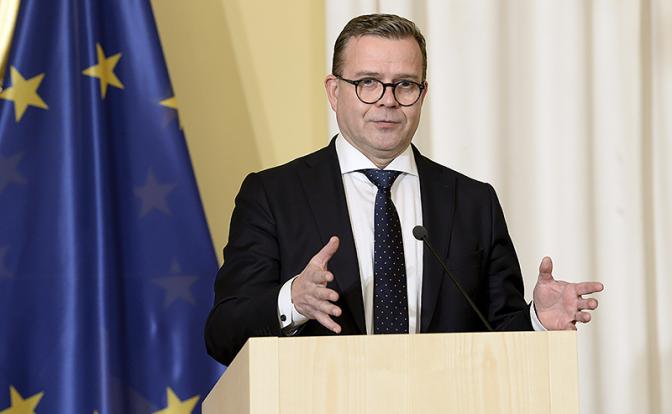
Finland is moving to withdraw from the Ottawa Convention, which bans anti-personnel mines. Prime Minister Petteri Orpo said the decision comes as a direct response to growing aggression from Russia.
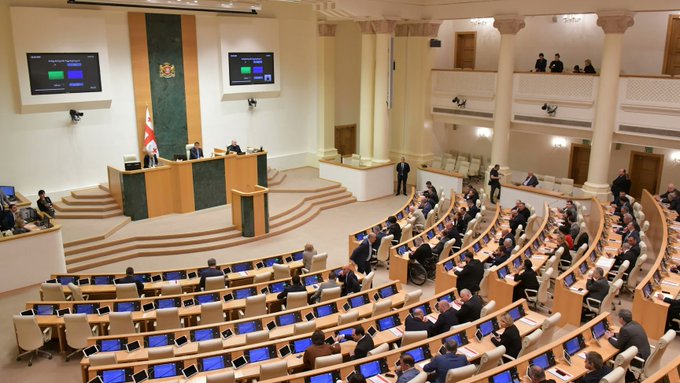
The ruling Georgian Dream party has approved a set of controversial laws, including a “foreign agent” act aimed at NGOs and media. Critics say it mimics the U.S. FARA but is weaponized against dissent.
We regret to inform you that due to lack of funding we are forced to discontinue the English version of our website. This decision was not easy for us, as we have always strived to provide quality and timely information for our international audience and Russian-speaking readers. Unfortunately, the current financial realities leave us no other choice.
The Russian-language version of the site will continue to operate, but in a limited mode. We understand that this will create inconvenience for many of our readers, and we apologize for possible interruptions in the provision of news and analytical materials on this resource.
We appeal to you, our loyal readers, with a request to support our editorial staff. Your help will allow us to continue our work and provide you with important and relevant news. Please go to the support page and make your contribution to the development of independent journalism.
We thank you for your understanding and look forward to your support during this difficult time.
Memorial to the fallen Moldovan soldiers of the Transnistrian War in Chisinau. Photo: Alexander Moisseenko
Thirty-three years ago, a ceasefire brought an end to the Transnistrian War—sometimes described by locals as the Russian-Moldovan War. Although the tensions officially ended in 1992, its consequences continue to shape Moldovan politics, society, and security — especially in view of the upcoming parliamentary elections.
The Russian capital faced one of the largest terrorist attacks in its history. The terrorist attack at Crocus City Hall, which claimed the lives of many innocent people, was the second largest after the Beslan tragedy. But unlike previous attacks, this incident is shrouded in a layer of contradictory facts and ambiguities that point to possible miscalculations by the Russian security services