Putin achieved his goal of the terrorist attack at "Crocus"
Details
The propaganda's search for a "Ukrainian trace" in the attack led to an incredible turnout at the military recruitment offices.
Russian dictator Vladimir Putin has achieved the result he planned to extract from the "Crocus" tragedy.
In response to the tragedy in the Moscow region, which claimed the lives of more than 140 people, Russia is experiencing a record turnout for military commissions. This is according to a report by the Institute for the Study of War (ISW) in the United States.
"The Russian Defense Ministry said on April 3 that Russian military recruitment offices have recorded a significant increase in the number of people applying for contract military service across Russia," ISW reports.
The Defense Ministry claims that over the past 10 days, about 16,000 Russians have decided to sign a service contract.
"Most of the applicants indicated that their primary motive for signing the military contract was 'revenge' for the victims of the 'Crocus' attack," ISW emphasizes.
ISW analysts note that if the Defense Ministry's reports about the increase in those willing to serve are confirmed, it may indicate the success of the Kremlin's information operation, which used the events at Crocus to achieve its goals.
The agency emphasizes that the main goal of this campaign is to motivate others to go to the military enlistment office following the "herd instinct". Moscow's actions are aimed at "justifying its military actions in Ukraine", the ISW said in a conclusion.
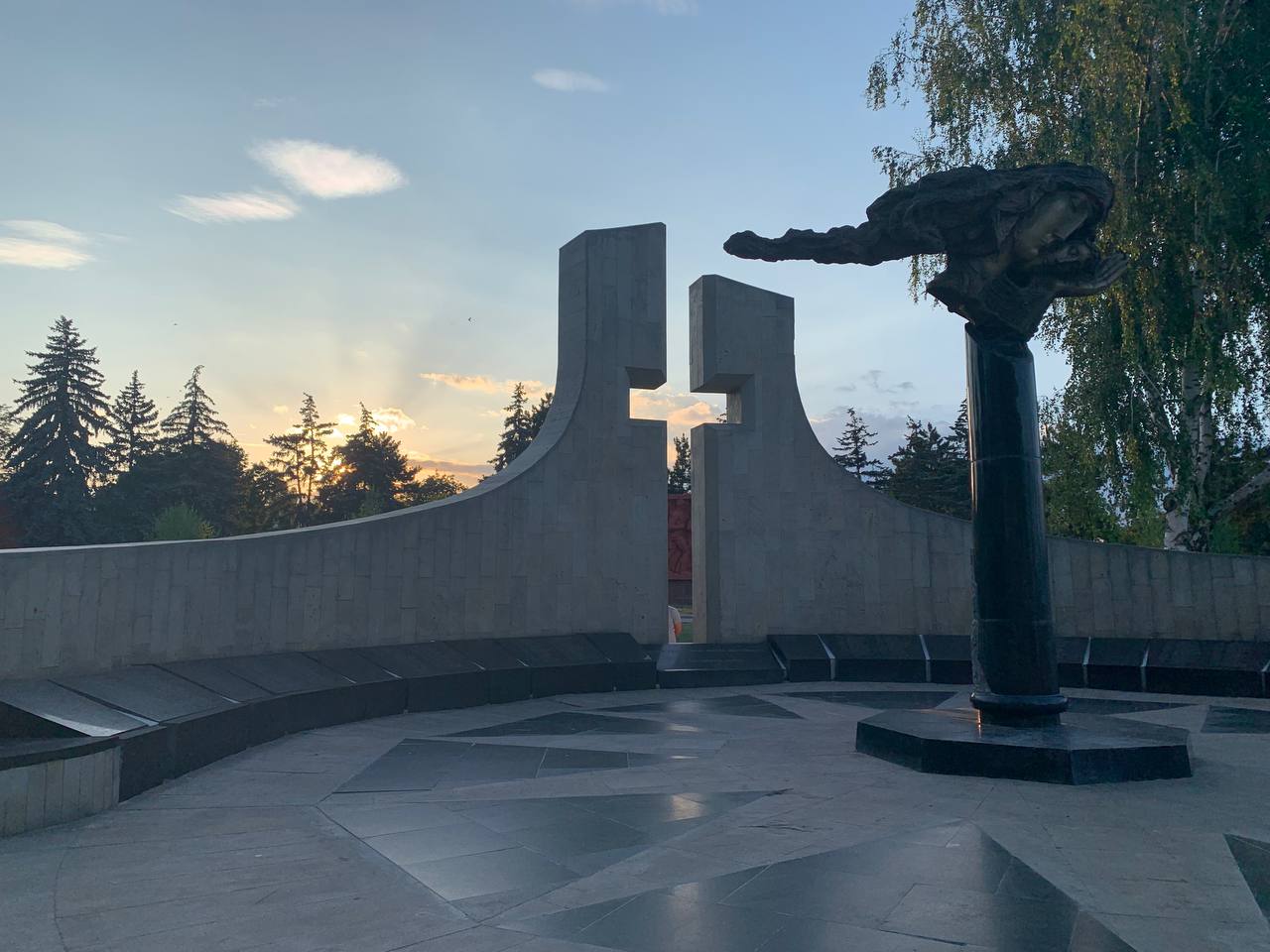
Memorial to the fallen Moldovan soldiers of the Transnistrian War in Chisinau. Photo: Alexander Moisseenko
Thirty-three years ago, a ceasefire brought an end to the Transnistrian War—sometimes described by locals as the Russian-Moldovan War. Although the tensions officially ended in 1992, its consequences continue to shape Moldovan politics, society, and security — especially in view of the upcoming parliamentary elections.
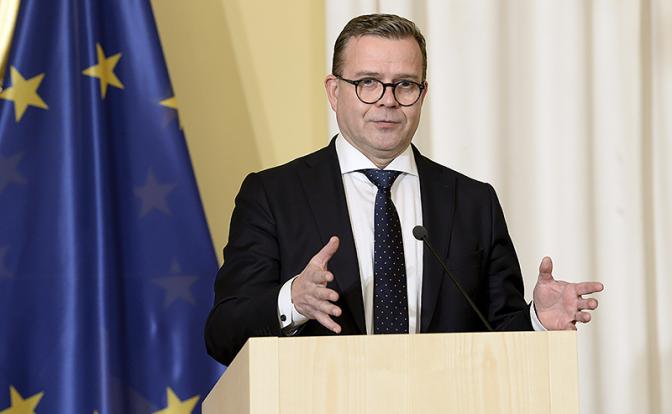
Finland is moving to withdraw from the Ottawa Convention, which bans anti-personnel mines. Prime Minister Petteri Orpo said the decision comes as a direct response to growing aggression from Russia.
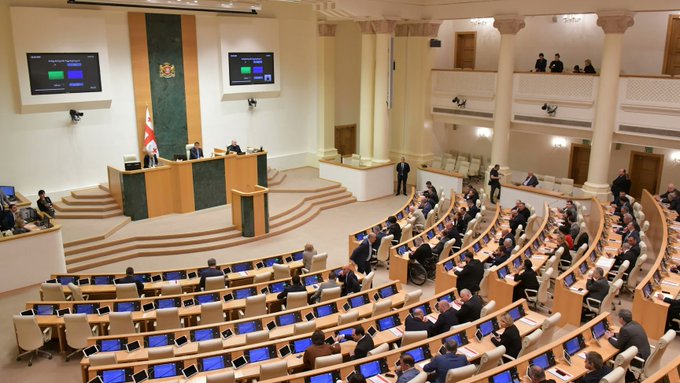
The ruling Georgian Dream party has approved a set of controversial laws, including a “foreign agent” act aimed at NGOs and media. Critics say it mimics the U.S. FARA but is weaponized against dissent.
We regret to inform you that due to lack of funding we are forced to discontinue the English version of our website. This decision was not easy for us, as we have always strived to provide quality and timely information for our international audience and Russian-speaking readers. Unfortunately, the current financial realities leave us no other choice.
The Russian-language version of the site will continue to operate, but in a limited mode. We understand that this will create inconvenience for many of our readers, and we apologize for possible interruptions in the provision of news and analytical materials on this resource.
We appeal to you, our loyal readers, with a request to support our editorial staff. Your help will allow us to continue our work and provide you with important and relevant news. Please go to the support page and make your contribution to the development of independent journalism.
We thank you for your understanding and look forward to your support during this difficult time.
Memorial to the fallen Moldovan soldiers of the Transnistrian War in Chisinau. Photo: Alexander Moisseenko
Thirty-three years ago, a ceasefire brought an end to the Transnistrian War—sometimes described by locals as the Russian-Moldovan War. Although the tensions officially ended in 1992, its consequences continue to shape Moldovan politics, society, and security — especially in view of the upcoming parliamentary elections.
The Russian capital faced one of the largest terrorist attacks in its history. The terrorist attack at Crocus City Hall, which claimed the lives of many innocent people, was the second largest after the Beslan tragedy. But unlike previous attacks, this incident is shrouded in a layer of contradictory facts and ambiguities that point to possible miscalculations by the Russian security services