AFU drones attacked Russian military facilities a thousand kilometers from Ukraine
Details
The drones were spotted for the first time in Dagestan and North Ossetia.
Ukrainian drones have attacked North Ossetia for the first time. The region and the Ukrainian city of Zaporozhye, which is under the control of the Ukrainian army, are separated by about 900 kilometers in a straight line.
Authorities said the target of the drones was the Mozdok military airfield, but 7.5 kilometers away from it there is a depot of ammunition and other military products that are believed to be supplied to Russia from the DPRK.
Satellite images that emerged later confirmed that the AFU drones had successfully struck the Mozdok military airfield in North Ossetia.
Based on the analysis of satellite images and video of the raid, the drones managed to fly to the airfield and strike it.
Earlier, the head of the republic of North Ossetia, Sergey Menyailo, said that as a result of the Ukrainian drone strike on the military airfield, “minor damage and fires were recorded”.
Also, in addition to the attack on North Ossetia, Russian propagandists complained about a drone attack on Dagestan.
Kremlin publications said that Dagestan was allegedly attacked by AFU drones, and this was the first time this had happened. According to their data, one UAV allegedly only fell near an oil field in the Nogaysky district “after it was hit with a machine gun”.
The administration of the head of Dagestan did not deny or confirm the information about the drone raid on the republic.
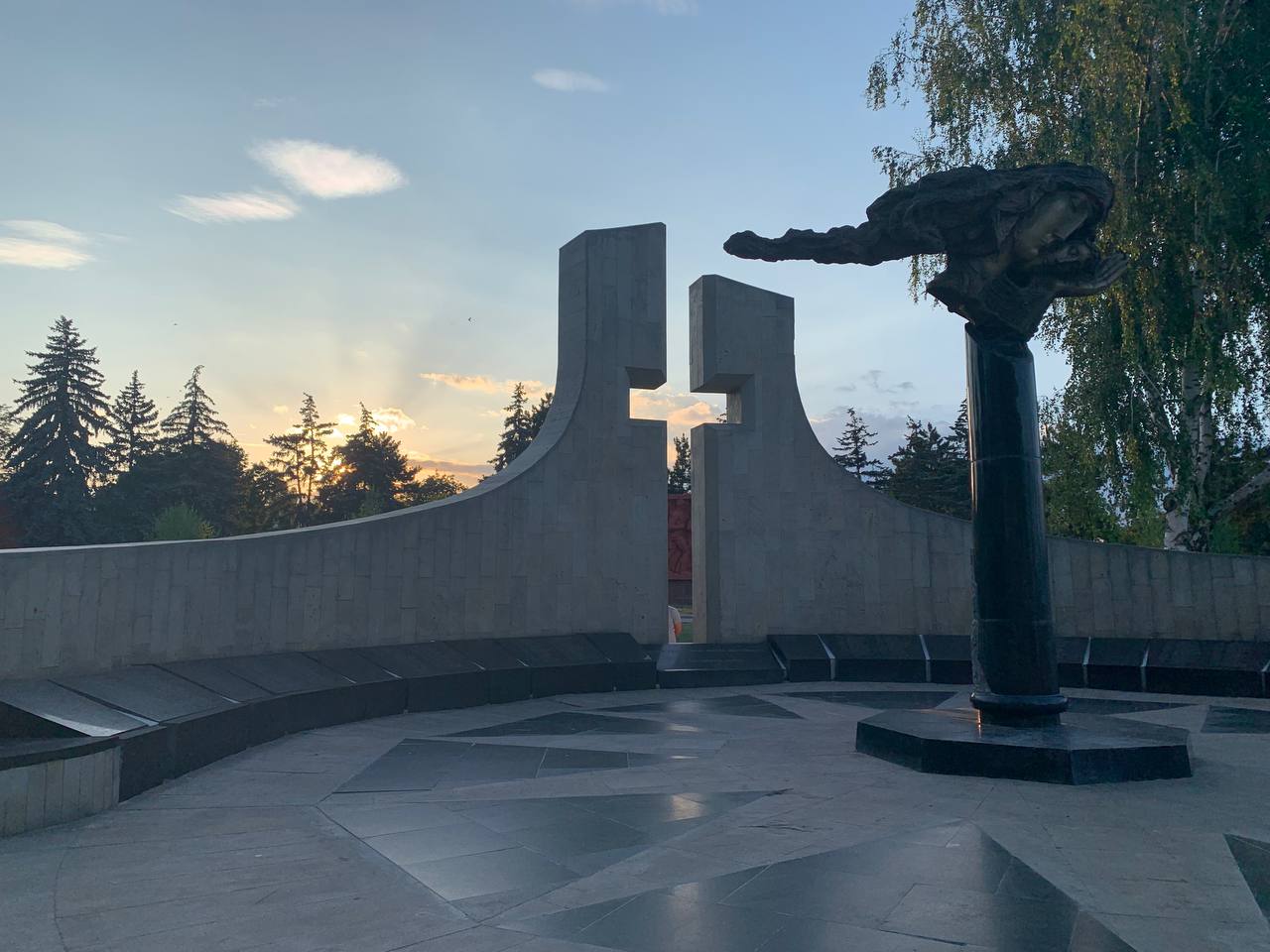
Memorial to the fallen Moldovan soldiers of the Transnistrian War in Chisinau. Photo: Alexander Moisseenko
Thirty-three years ago, a ceasefire brought an end to the Transnistrian War—sometimes described by locals as the Russian-Moldovan War. Although the tensions officially ended in 1992, its consequences continue to shape Moldovan politics, society, and security — especially in view of the upcoming parliamentary elections.
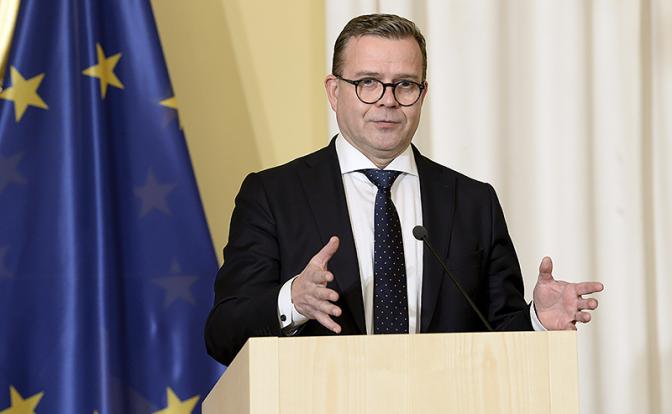
Finland is moving to withdraw from the Ottawa Convention, which bans anti-personnel mines. Prime Minister Petteri Orpo said the decision comes as a direct response to growing aggression from Russia.
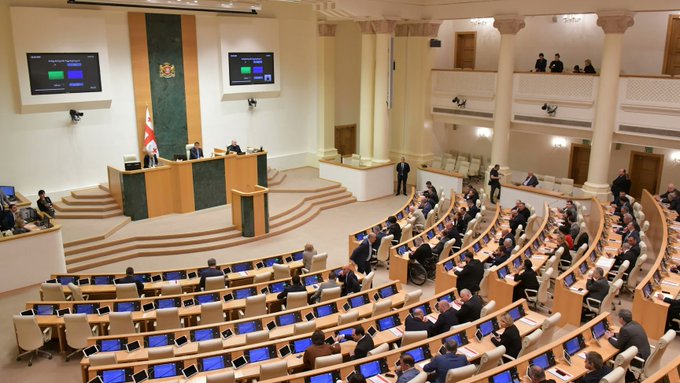
The ruling Georgian Dream party has approved a set of controversial laws, including a “foreign agent” act aimed at NGOs and media. Critics say it mimics the U.S. FARA but is weaponized against dissent.
We regret to inform you that due to lack of funding we are forced to discontinue the English version of our website. This decision was not easy for us, as we have always strived to provide quality and timely information for our international audience and Russian-speaking readers. Unfortunately, the current financial realities leave us no other choice.
The Russian-language version of the site will continue to operate, but in a limited mode. We understand that this will create inconvenience for many of our readers, and we apologize for possible interruptions in the provision of news and analytical materials on this resource.
We appeal to you, our loyal readers, with a request to support our editorial staff. Your help will allow us to continue our work and provide you with important and relevant news. Please go to the support page and make your contribution to the development of independent journalism.
We thank you for your understanding and look forward to your support during this difficult time.
Memorial to the fallen Moldovan soldiers of the Transnistrian War in Chisinau. Photo: Alexander Moisseenko
Thirty-three years ago, a ceasefire brought an end to the Transnistrian War—sometimes described by locals as the Russian-Moldovan War. Although the tensions officially ended in 1992, its consequences continue to shape Moldovan politics, society, and security — especially in view of the upcoming parliamentary elections.
The Russian capital faced one of the largest terrorist attacks in its history. The terrorist attack at Crocus City Hall, which claimed the lives of many innocent people, was the second largest after the Beslan tragedy. But unlike previous attacks, this incident is shrouded in a layer of contradictory facts and ambiguities that point to possible miscalculations by the Russian security services