Ukraine's president and military chief, feeling ‘Exhausted and disappointed’ with allies, caution of long attritional war
Details
Two articles, recently published, offer a grim evaluation of Ukraine's prospects in its conflict with Russia. One, authored by the Ukrainian military's commander in chief, concedes that the battlefield has reached a standstill, indicating a prolonged and grueling war that favors Moscow lies ahead. The other depicts Ukrainian President Volodymyr Zelensky as weary from the ongoing effort to persuade and rally allies to maintain their support.
Ukraine's top military official, General Valery Zaluzhny, expresses in a comprehensive essay and interview with The Economist that, "similar to the First World War, we have reached a technological level that has led us into a deadlock."
He admits: “There will most likely be no deep and beautiful breakthrough,” but instead an equilibrium of devastating losses and destruction.
Meanwhile, during an interview with TIME's Simon Shuster, Zelensky says, "No one believes in our victory as fervently as I do. No one." However, he goes on to mention that cultivating these convictions among Ukraine's allies demands all of one's strength and energy.
Shuster, who has enjoyed long-standing access to the president's closest advisors, paints a picture of Zelensky as fatigued, occasionally irritable, and apprehensive about the diminishing commitment from allies.
“Exhaustion with the war rolls along like a wave. You see it in the United States, in Europe,” Zelensky is quoted as saying.
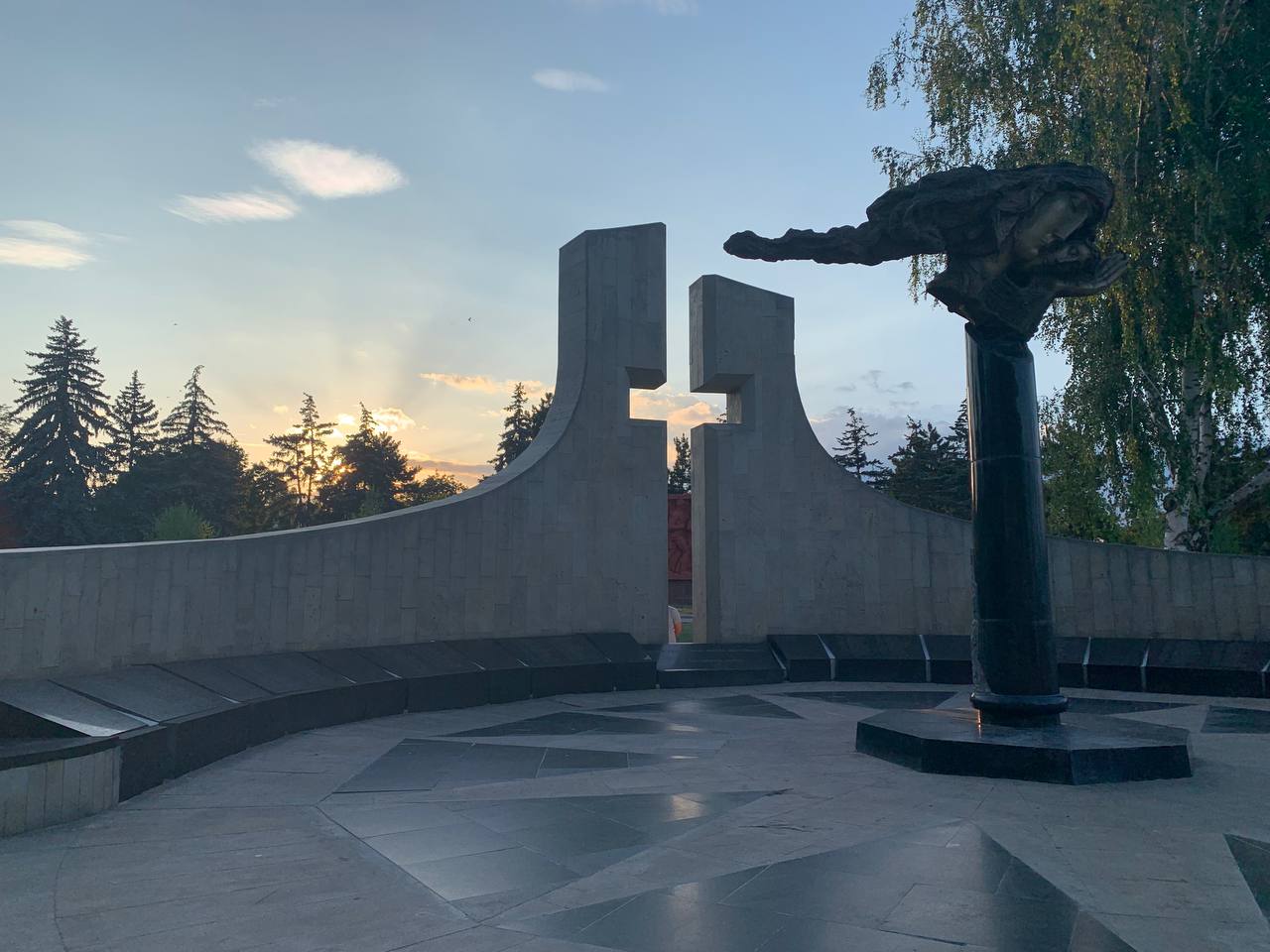
Memorial to the fallen Moldovan soldiers of the Transnistrian War in Chisinau. Photo: Alexander Moisseenko
Thirty-three years ago, a ceasefire brought an end to the Transnistrian War—sometimes described by locals as the Russian-Moldovan War. Although the tensions officially ended in 1992, its consequences continue to shape Moldovan politics, society, and security — especially in view of the upcoming parliamentary elections.
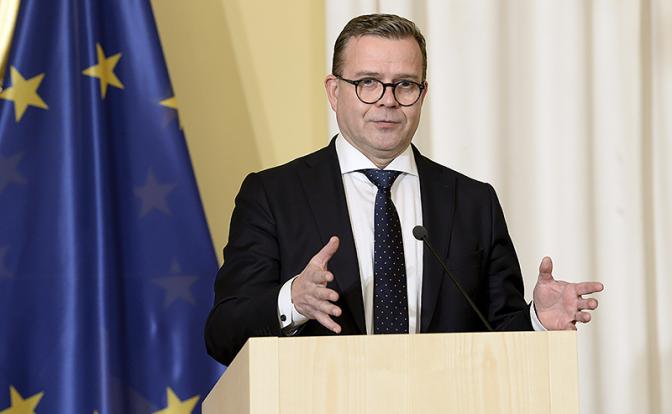
Finland is moving to withdraw from the Ottawa Convention, which bans anti-personnel mines. Prime Minister Petteri Orpo said the decision comes as a direct response to growing aggression from Russia.
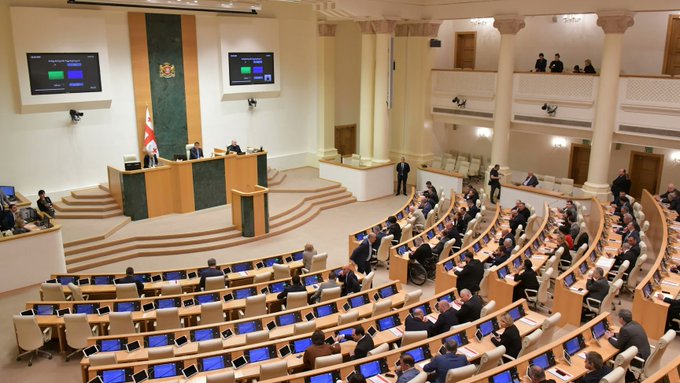
The ruling Georgian Dream party has approved a set of controversial laws, including a “foreign agent” act aimed at NGOs and media. Critics say it mimics the U.S. FARA but is weaponized against dissent.
We regret to inform you that due to lack of funding we are forced to discontinue the English version of our website. This decision was not easy for us, as we have always strived to provide quality and timely information for our international audience and Russian-speaking readers. Unfortunately, the current financial realities leave us no other choice.
The Russian-language version of the site will continue to operate, but in a limited mode. We understand that this will create inconvenience for many of our readers, and we apologize for possible interruptions in the provision of news and analytical materials on this resource.
We appeal to you, our loyal readers, with a request to support our editorial staff. Your help will allow us to continue our work and provide you with important and relevant news. Please go to the support page and make your contribution to the development of independent journalism.
We thank you for your understanding and look forward to your support during this difficult time.
Memorial to the fallen Moldovan soldiers of the Transnistrian War in Chisinau. Photo: Alexander Moisseenko
Thirty-three years ago, a ceasefire brought an end to the Transnistrian War—sometimes described by locals as the Russian-Moldovan War. Although the tensions officially ended in 1992, its consequences continue to shape Moldovan politics, society, and security — especially in view of the upcoming parliamentary elections.
The Russian capital faced one of the largest terrorist attacks in its history. The terrorist attack at Crocus City Hall, which claimed the lives of many innocent people, was the second largest after the Beslan tragedy. But unlike previous attacks, this incident is shrouded in a layer of contradictory facts and ambiguities that point to possible miscalculations by the Russian security services