A former Bundeswehr officer has confessed to passing classified military information to Russia
Details
"I saw only this way"
His trial is taking place in Dusseldorf. According to the serviceman, he himself offered his services to the Russian side because he hoped to help avoid escalation of the nuclear conflict over the war in Ukraine.
The German press does not give the full name of the accused, he is mentioned as Thomas H. According to the version of prosecutors, in 2023, he contacted the Russian Consulate General in Bonn and offered cooperation. Thomas H. He served with the rank of captain in the department that was responsible for the procurement of weapons for the army. It awarded defense contracts worth billions of euros annually.
The prosecution alleges that Thomas H. provided the Russian consulate with technical data files and photographs of documents relating to ammunition and aircraft.
The military officer himself pleaded guilty at the trial. The defendant stated that it was important for him to get his family to safety in time. To find out "when this would happen," he sought help from the Russian side. "I saw only this way," Thomas H. admitted, noting that he extremely regretted his decision and considered it a mistake and that he was in a very bad mental state.
It is reported that Thomas H. - is a member of the right-wing Alternative for Germany party, known for its pro-Russian views, and was subscribed to German pro-Russian Influencer channels on the Internet. Whether he received money from Russia for his services is not specified.
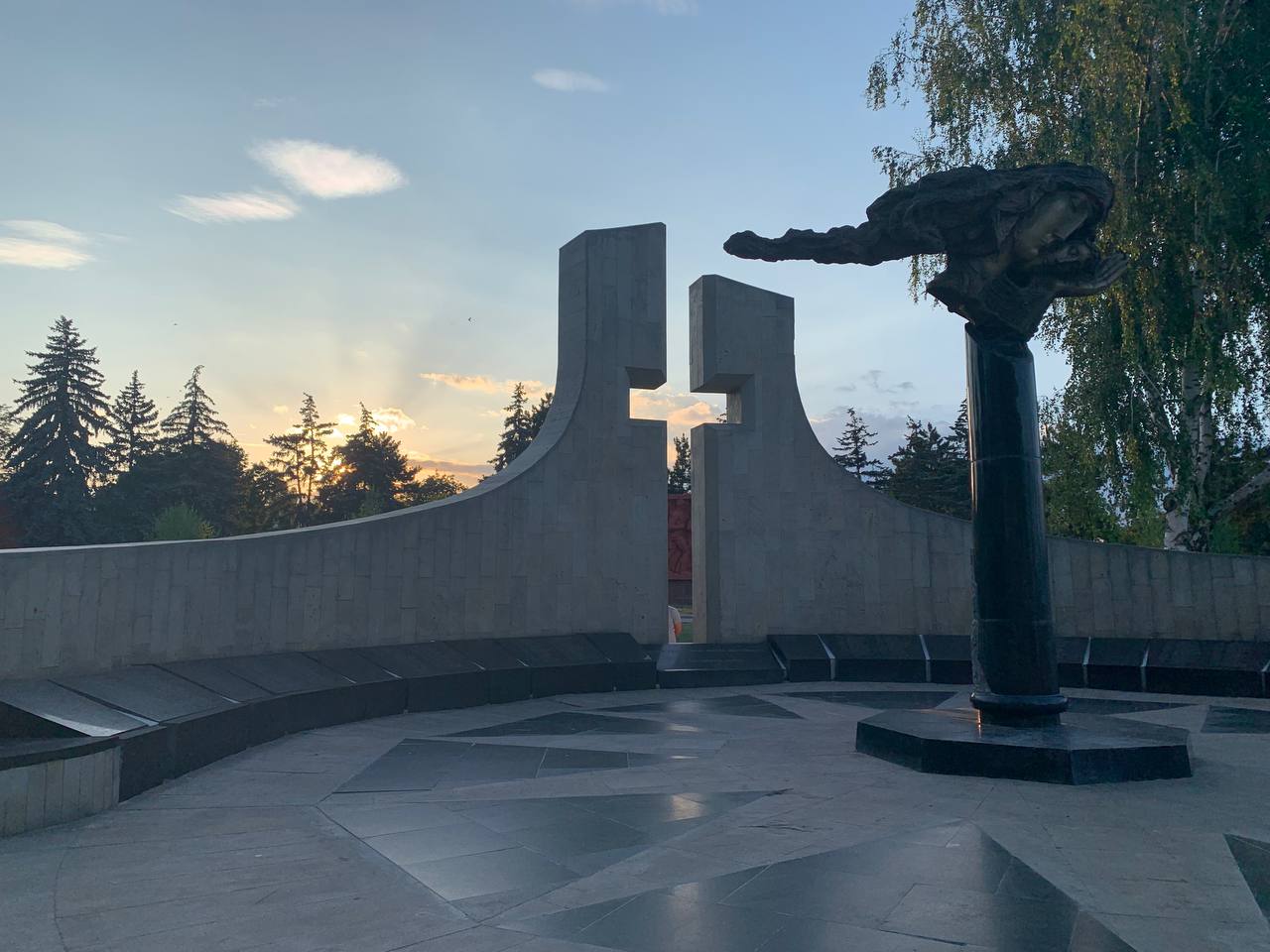
Memorial to the fallen Moldovan soldiers of the Transnistrian War in Chisinau. Photo: Alexander Moisseenko
Thirty-three years ago, a ceasefire brought an end to the Transnistrian War—sometimes described by locals as the Russian-Moldovan War. Although the tensions officially ended in 1992, its consequences continue to shape Moldovan politics, society, and security — especially in view of the upcoming parliamentary elections.
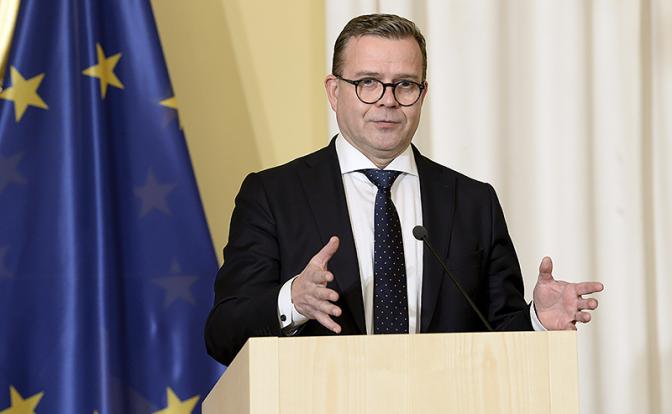
Finland is moving to withdraw from the Ottawa Convention, which bans anti-personnel mines. Prime Minister Petteri Orpo said the decision comes as a direct response to growing aggression from Russia.
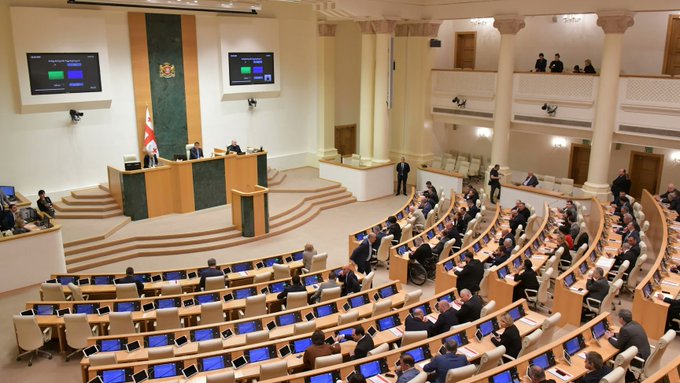
The ruling Georgian Dream party has approved a set of controversial laws, including a “foreign agent” act aimed at NGOs and media. Critics say it mimics the U.S. FARA but is weaponized against dissent.
We regret to inform you that due to lack of funding we are forced to discontinue the English version of our website. This decision was not easy for us, as we have always strived to provide quality and timely information for our international audience and Russian-speaking readers. Unfortunately, the current financial realities leave us no other choice.
The Russian-language version of the site will continue to operate, but in a limited mode. We understand that this will create inconvenience for many of our readers, and we apologize for possible interruptions in the provision of news and analytical materials on this resource.
We appeal to you, our loyal readers, with a request to support our editorial staff. Your help will allow us to continue our work and provide you with important and relevant news. Please go to the support page and make your contribution to the development of independent journalism.
We thank you for your understanding and look forward to your support during this difficult time.
Memorial to the fallen Moldovan soldiers of the Transnistrian War in Chisinau. Photo: Alexander Moisseenko
Thirty-three years ago, a ceasefire brought an end to the Transnistrian War—sometimes described by locals as the Russian-Moldovan War. Although the tensions officially ended in 1992, its consequences continue to shape Moldovan politics, society, and security — especially in view of the upcoming parliamentary elections.
The Russian capital faced one of the largest terrorist attacks in its history. The terrorist attack at Crocus City Hall, which claimed the lives of many innocent people, was the second largest after the Beslan tragedy. But unlike previous attacks, this incident is shrouded in a layer of contradictory facts and ambiguities that point to possible miscalculations by the Russian security services