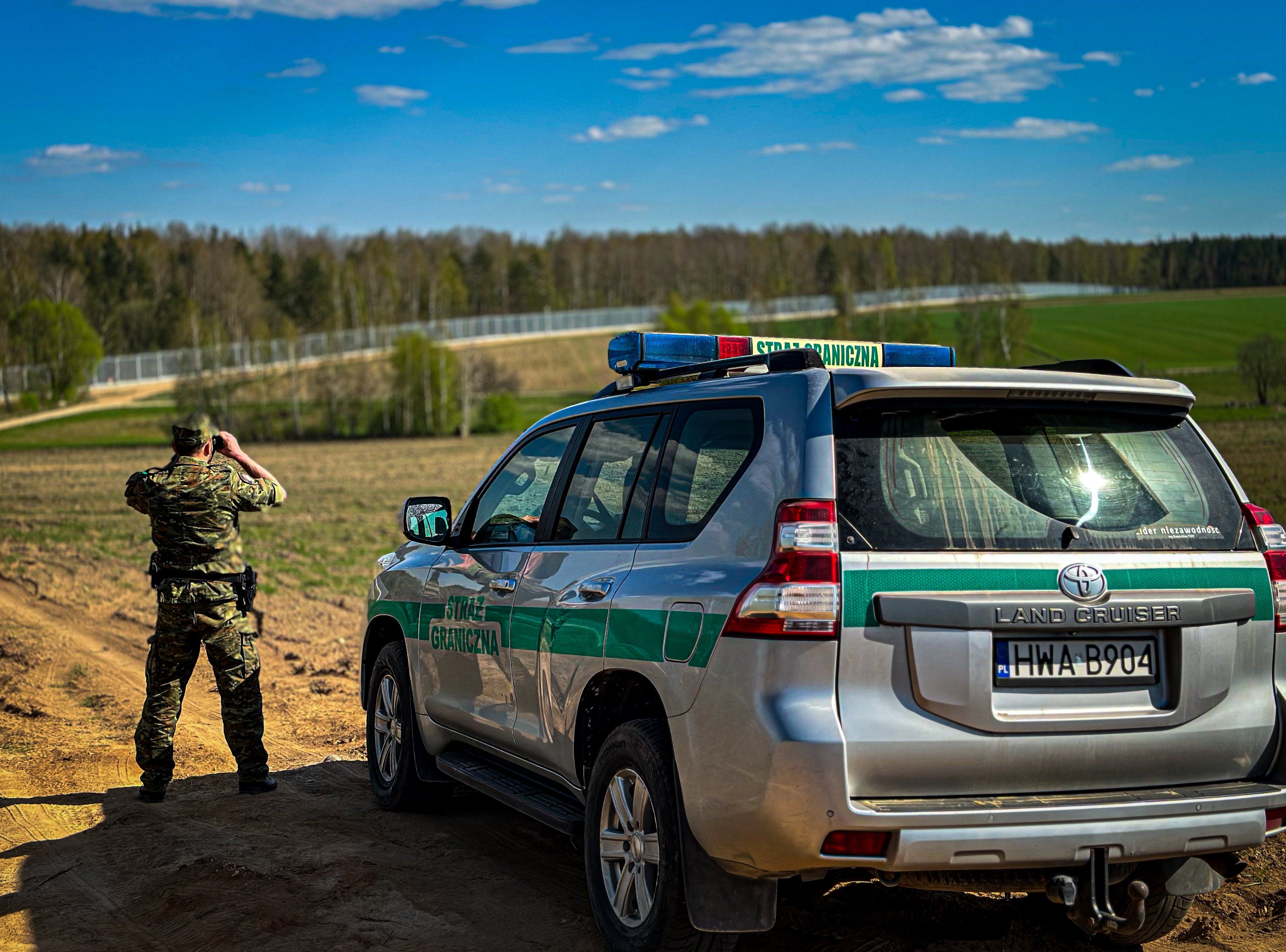
Now illegals who have already entered the U.S. through Mexico will not be able to get political asylum. A wave of migrant deportations is expected to sweep the country.
The American president signed an executive order today that will go into effect June 5 and will take effect when the southern border is “congested.”
U.S. officials note, however, that the border with Mexico for undocumented migrants could be reopened if the average number of refugees passing through it becomes “low enough for the U.S. system to safely and effectively manage border operations.” Peak values for closing the border must exceed 2,500 people per week, and values must stay below 1,500 people per week to open the border.
U.S. officials clarified that the restrictions will not affect people crossing the border through the Customs and Border Protection One app, unaccompanied children, victims of human trafficking, those in need of emergency medical care, and permanent residents.
The U.S. media also reported that the U.S. will begin to expedite the deportation of illegal migrants who pose a threat to national security and society.
It is noted that the country has begun to quickly consider asylum cases for the accelerated removal of those who do not have legal grounds for stay.
Recall, one of the key requirements of the Republican Party is the construction of a wall on the southern border to close migration from Mexico. Earlier, its adoption was made a condition for providing aid to Ukraine.
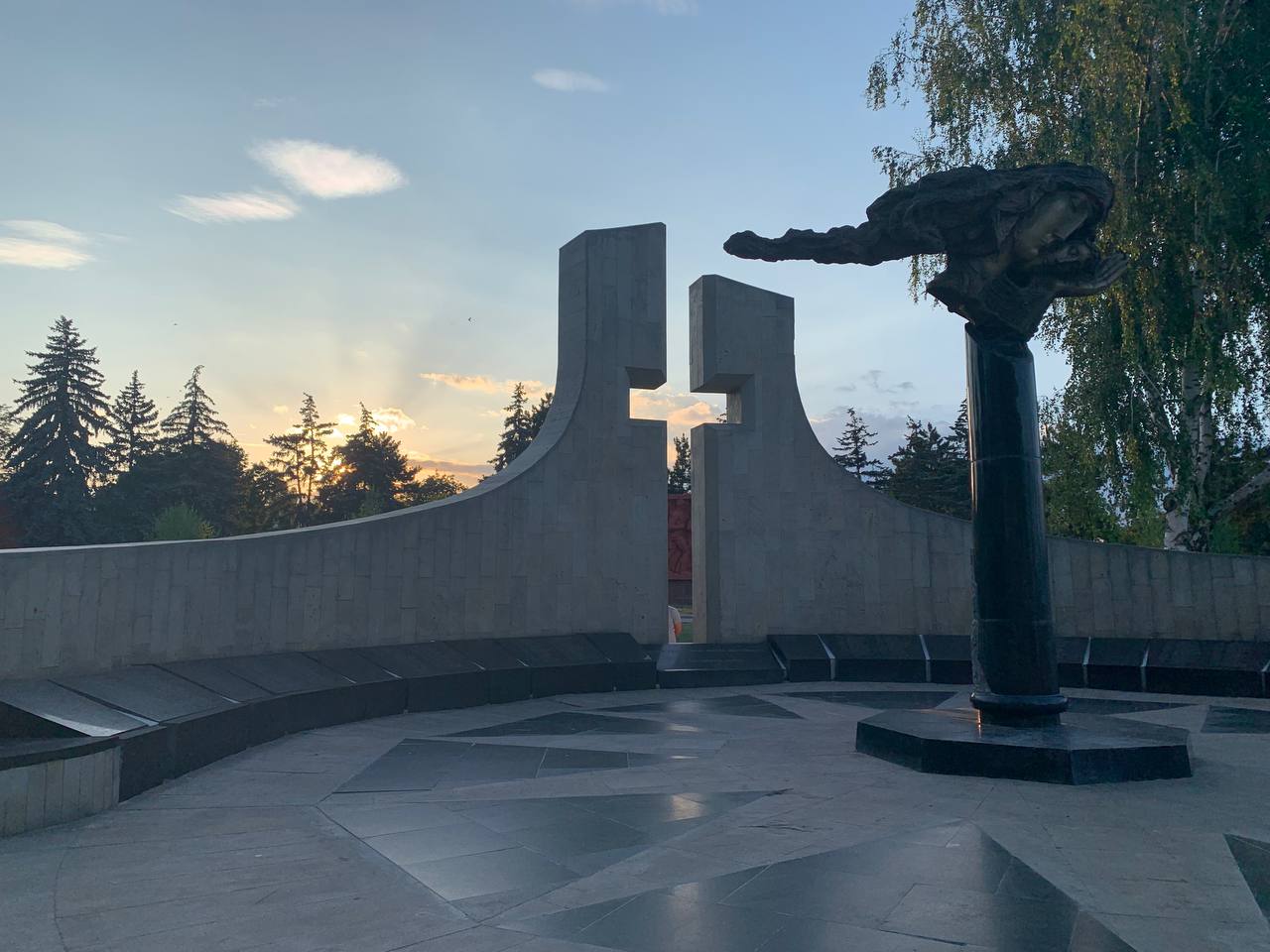
Memorial to the fallen Moldovan soldiers of the Transnistrian War in Chisinau. Photo: Alexander Moisseenko
Thirty-three years ago, a ceasefire brought an end to the Transnistrian War—sometimes described by locals as the Russian-Moldovan War. Although the tensions officially ended in 1992, its consequences continue to shape Moldovan politics, society, and security — especially in view of the upcoming parliamentary elections.
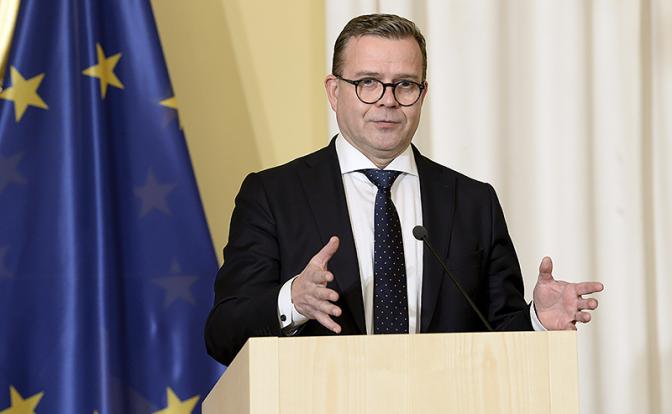
Finland is moving to withdraw from the Ottawa Convention, which bans anti-personnel mines. Prime Minister Petteri Orpo said the decision comes as a direct response to growing aggression from Russia.
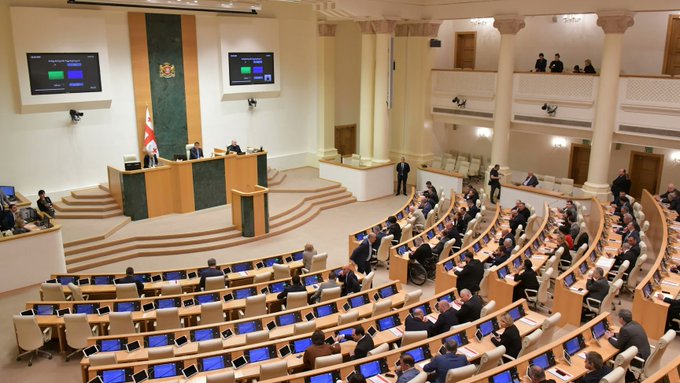
The ruling Georgian Dream party has approved a set of controversial laws, including a “foreign agent” act aimed at NGOs and media. Critics say it mimics the U.S. FARA but is weaponized against dissent.
We regret to inform you that due to lack of funding we are forced to discontinue the English version of our website. This decision was not easy for us, as we have always strived to provide quality and timely information for our international audience and Russian-speaking readers. Unfortunately, the current financial realities leave us no other choice.
The Russian-language version of the site will continue to operate, but in a limited mode. We understand that this will create inconvenience for many of our readers, and we apologize for possible interruptions in the provision of news and analytical materials on this resource.
We appeal to you, our loyal readers, with a request to support our editorial staff. Your help will allow us to continue our work and provide you with important and relevant news. Please go to the support page and make your contribution to the development of independent journalism.
We thank you for your understanding and look forward to your support during this difficult time.
Memorial to the fallen Moldovan soldiers of the Transnistrian War in Chisinau. Photo: Alexander Moisseenko
Thirty-three years ago, a ceasefire brought an end to the Transnistrian War—sometimes described by locals as the Russian-Moldovan War. Although the tensions officially ended in 1992, its consequences continue to shape Moldovan politics, society, and security — especially in view of the upcoming parliamentary elections.
The Russian capital faced one of the largest terrorist attacks in its history. The terrorist attack at Crocus City Hall, which claimed the lives of many innocent people, was the second largest after the Beslan tragedy. But unlike previous attacks, this incident is shrouded in a layer of contradictory facts and ambiguities that point to possible miscalculations by the Russian security services