Sometimes the American president cannot conduct meetings and forgets the details of his own policy.
When 81-year-old Joe Biden met with congressional leaders in January to discuss an agreement on financing Ukraine, he, according to sources, occasionally spoke so quietly that the meeting participants could barely hear him. He also read "obvious conclusions" from a sheet of paper, took long pauses, and sometimes closed his eyes for extended periods—so much so that those present wondered if the president had fallen asleep, the article says.
More than 45 sources close to Biden shared this with The Wall Street Journal.
In February 2024, the U.S. president had a "one-on-one" conversation with House Speaker Mike Johnson. The conversation touched on changes in the Biden administration's policy. After the meeting with the president, Johnson was reportedly concerned that "Biden had lost memory of the details of his own policy," six people familiar with the situation told WSJ.
The newspaper notes that for most of his career, Biden "enjoyed a reputation as a skilled negotiator" and an expert in jurisprudence, but over the past year, this reputation has weakened. Among the more than 45 politicians interviewed by the publication, Biden was most frequently criticized by Republicans.
White House spokesperson Andrew Bates called the accusations against Biden "false and politically motivated," noting that the president has a sharp mind and clear consciousness.
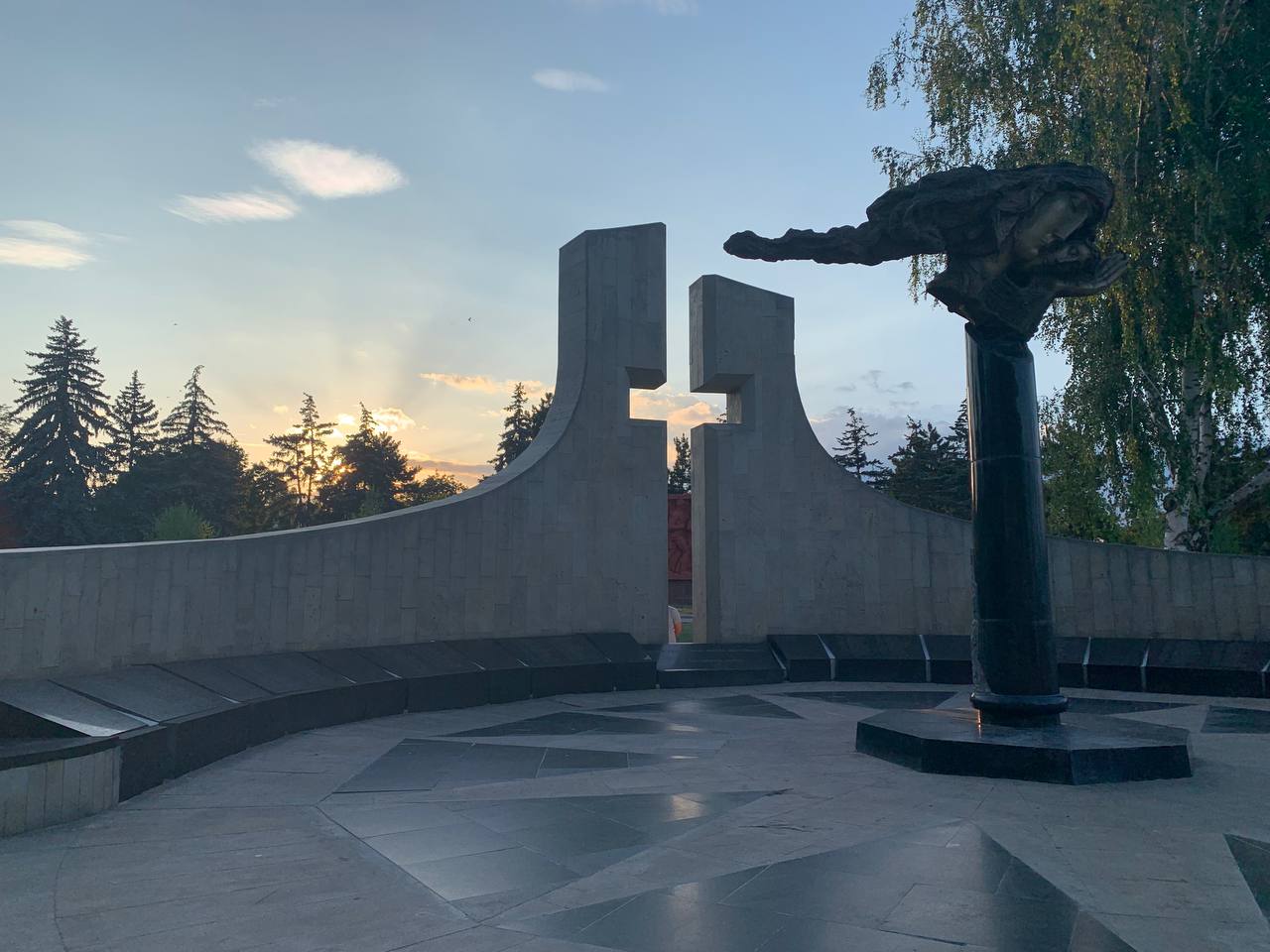
Memorial to the fallen Moldovan soldiers of the Transnistrian War in Chisinau. Photo: Alexander Moisseenko
Thirty-three years ago, a ceasefire brought an end to the Transnistrian War—sometimes described by locals as the Russian-Moldovan War. Although the tensions officially ended in 1992, its consequences continue to shape Moldovan politics, society, and security — especially in view of the upcoming parliamentary elections.
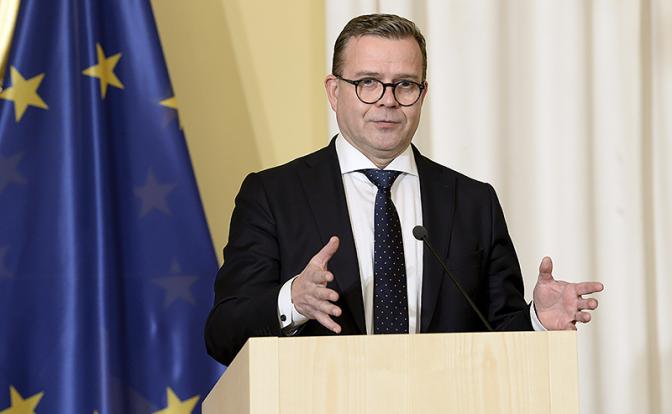
Finland is moving to withdraw from the Ottawa Convention, which bans anti-personnel mines. Prime Minister Petteri Orpo said the decision comes as a direct response to growing aggression from Russia.
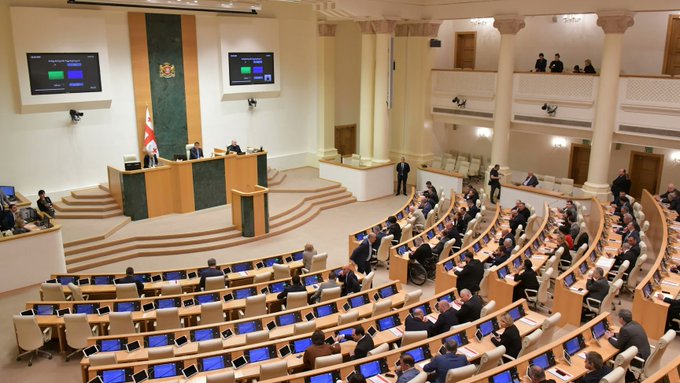
The ruling Georgian Dream party has approved a set of controversial laws, including a “foreign agent” act aimed at NGOs and media. Critics say it mimics the U.S. FARA but is weaponized against dissent.
We regret to inform you that due to lack of funding we are forced to discontinue the English version of our website. This decision was not easy for us, as we have always strived to provide quality and timely information for our international audience and Russian-speaking readers. Unfortunately, the current financial realities leave us no other choice.
The Russian-language version of the site will continue to operate, but in a limited mode. We understand that this will create inconvenience for many of our readers, and we apologize for possible interruptions in the provision of news and analytical materials on this resource.
We appeal to you, our loyal readers, with a request to support our editorial staff. Your help will allow us to continue our work and provide you with important and relevant news. Please go to the support page and make your contribution to the development of independent journalism.
We thank you for your understanding and look forward to your support during this difficult time.
Memorial to the fallen Moldovan soldiers of the Transnistrian War in Chisinau. Photo: Alexander Moisseenko
Thirty-three years ago, a ceasefire brought an end to the Transnistrian War—sometimes described by locals as the Russian-Moldovan War. Although the tensions officially ended in 1992, its consequences continue to shape Moldovan politics, society, and security — especially in view of the upcoming parliamentary elections.
The Russian capital faced one of the largest terrorist attacks in its history. The terrorist attack at Crocus City Hall, which claimed the lives of many innocent people, was the second largest after the Beslan tragedy. But unlike previous attacks, this incident is shrouded in a layer of contradictory facts and ambiguities that point to possible miscalculations by the Russian security services