Russia want to interfere in Moldova's presidential election
Details
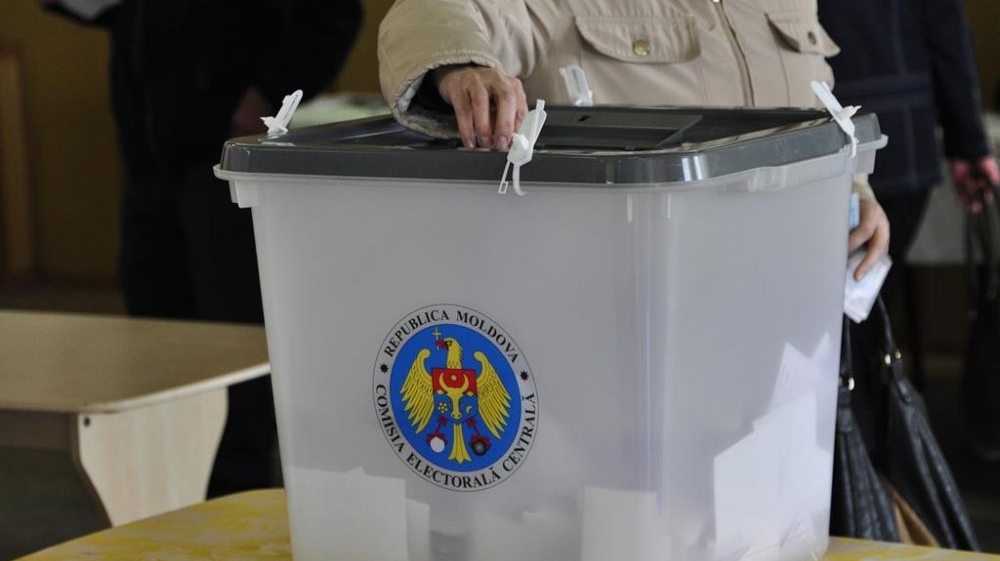
The United States, Britain and Canada have accused Russia of plotting to influence the outcome of the Moldovan presidential election due to be held in October this year, the heads of government said.
"The Kremlin wants to undermine Moldova's democratic institutions ahead of the October presidential election and the referendum on EU membership," the document said.
The text notes that Russia intends to provoke protests in Moldova if the pro-Russian candidate does not win, while seeking to create a negative opinion in Moldovan society about Western governments and the country's current leadership.
Officials say Russia seeks to "increase tensions in society, stir up negative attitudes toward the West and the incumbent Maya Sandu team" by using disinformation and Internet propaganda.
"Russia's political interference in Moldovan affairs in the run-up to the October elections began years ago. For example, employees of RT, a Russian state-funded media outlet, have been providing direct support to fugitive Moldovan citizen Ilan Shor with the consent of the Russian authorities for several years."
Earlier, international sanctions were imposed against Shor for his destabilizing electoral activities.
The text says that the authorities of the three countries will seek to bring to justice those involved in the Kremlin's hidden schemes to finance political activities in Moldova.
"We make it clear to Moscow that we are in favor of free and fair elections and will not tolerate its attempts to interfere in and undermine democratic processes," the statement said.
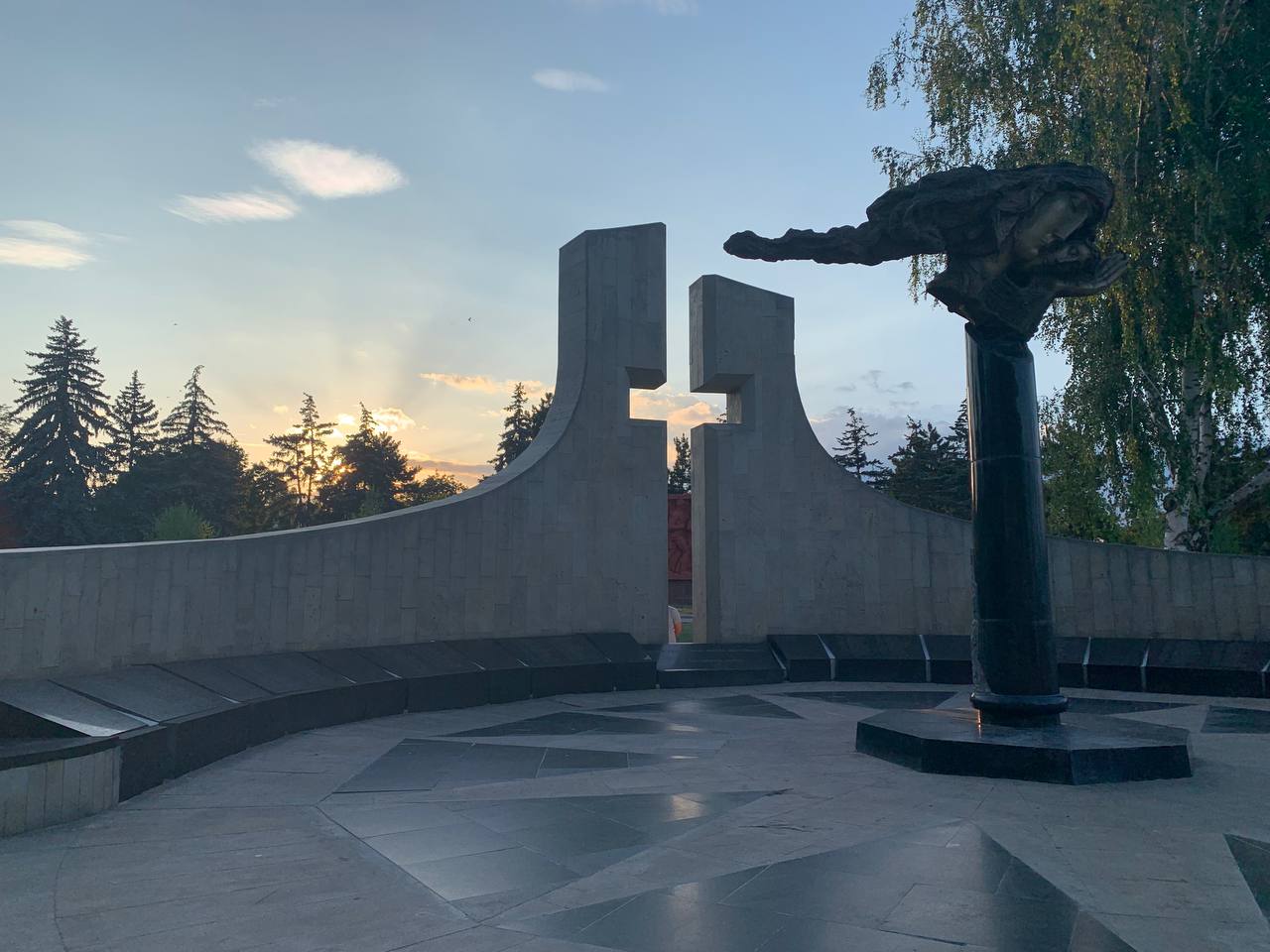
Memorial to the fallen Moldovan soldiers of the Transnistrian War in Chisinau. Photo: Alexander Moisseenko
Thirty-three years ago, a ceasefire brought an end to the Transnistrian War—sometimes described by locals as the Russian-Moldovan War. Although the tensions officially ended in 1992, its consequences continue to shape Moldovan politics, society, and security — especially in view of the upcoming parliamentary elections.
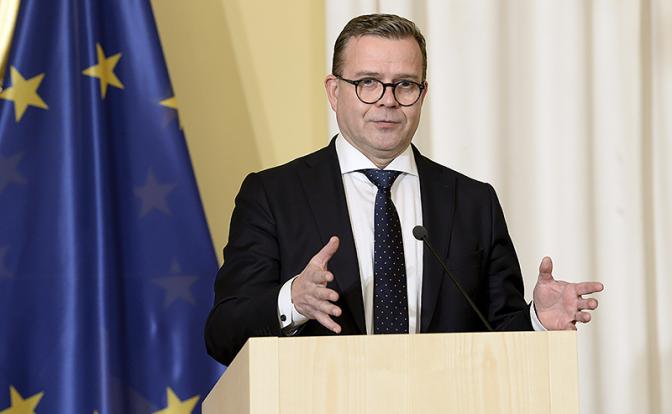
Finland is moving to withdraw from the Ottawa Convention, which bans anti-personnel mines. Prime Minister Petteri Orpo said the decision comes as a direct response to growing aggression from Russia.
The ruling Georgian Dream party has approved a set of controversial laws, including a “foreign agent” act aimed at NGOs and media. Critics say it mimics the U.S. FARA but is weaponized against dissent.
We regret to inform you that due to lack of funding we are forced to discontinue the English version of our website. This decision was not easy for us, as we have always strived to provide quality and timely information for our international audience and Russian-speaking readers. Unfortunately, the current financial realities leave us no other choice.
The Russian-language version of the site will continue to operate, but in a limited mode. We understand that this will create inconvenience for many of our readers, and we apologize for possible interruptions in the provision of news and analytical materials on this resource.
We appeal to you, our loyal readers, with a request to support our editorial staff. Your help will allow us to continue our work and provide you with important and relevant news. Please go to the support page and make your contribution to the development of independent journalism.
We thank you for your understanding and look forward to your support during this difficult time.
Memorial to the fallen Moldovan soldiers of the Transnistrian War in Chisinau. Photo: Alexander Moisseenko
Thirty-three years ago, a ceasefire brought an end to the Transnistrian War—sometimes described by locals as the Russian-Moldovan War. Although the tensions officially ended in 1992, its consequences continue to shape Moldovan politics, society, and security — especially in view of the upcoming parliamentary elections.
The Russian capital faced one of the largest terrorist attacks in its history. The terrorist attack at Crocus City Hall, which claimed the lives of many innocent people, was the second largest after the Beslan tragedy. But unlike previous attacks, this incident is shrouded in a layer of contradictory facts and ambiguities that point to possible miscalculations by the Russian security services